Buryatia | Mongolia | Agvan Dorzhiev
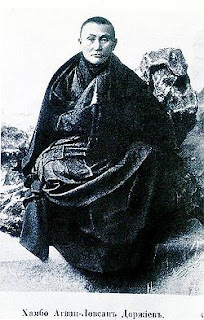
Look behind the curtains of late nineteenth-early twentieth century Russo-Tibeto-Mongolian affairs and you are more than likely to find there, directing the hesitant actors, prompting the tongue-tied, and ready to stride on stage himself whenever necessary, the enigmatic figure of the always-present but paradoxically ever-elusive Agvan Dorzhiev, or Ngawang Losang, as he was known in Tibetan. Dorzhiev was born in the valley of the Uda River, which flows into the Selenga River at the city of Ulaan Ude (in Dorzhiev’s time, Verkhneudinsk) in the current autonomous republic of Buryatia in the Wood Tiger Year of the 14th sixty-year cycle of the Kalachakra calendar (1854 according to the Gregorian calendar). A precocious student with obvious linguistic talents he soon excelled in Russian—his native language was Buryat—and, oddly enough for the time and place, French. He showed an early interest in Buddhism and quickly added Tibetan, the language of most religious texts, to his resumé. At the ...
